
German Dairy Farm Uses Fleckvieh Genetics to Breed for Performance and Profitability
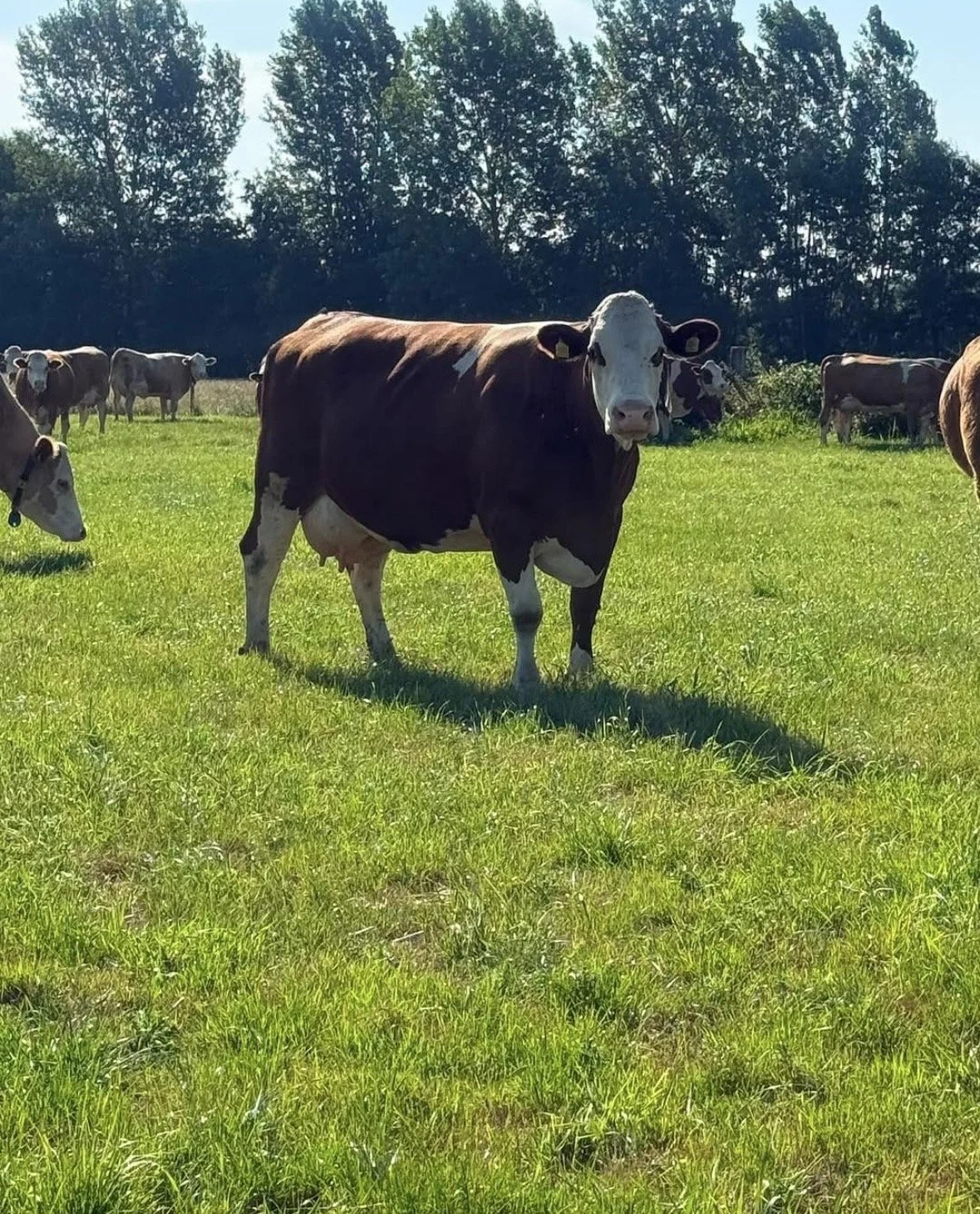
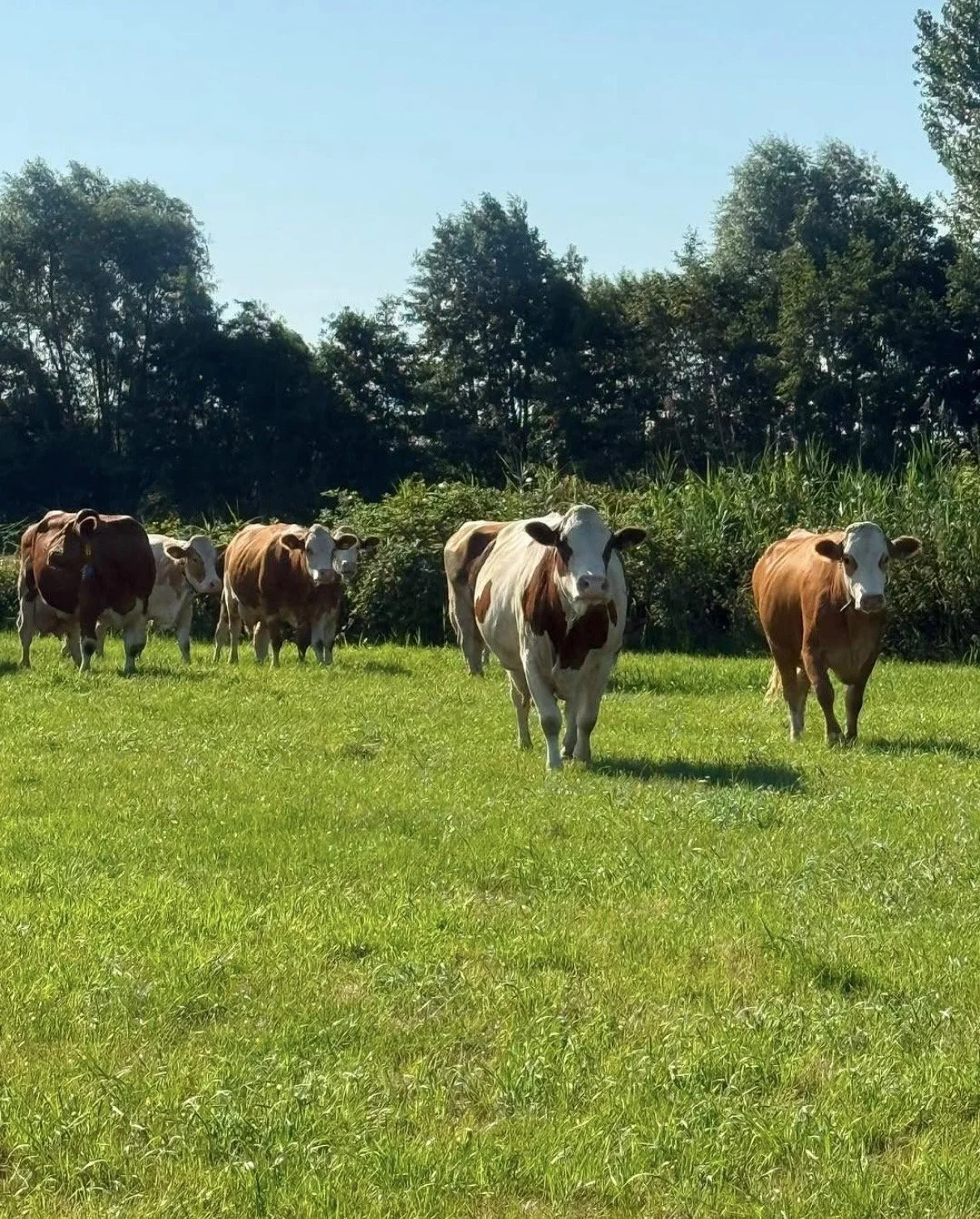
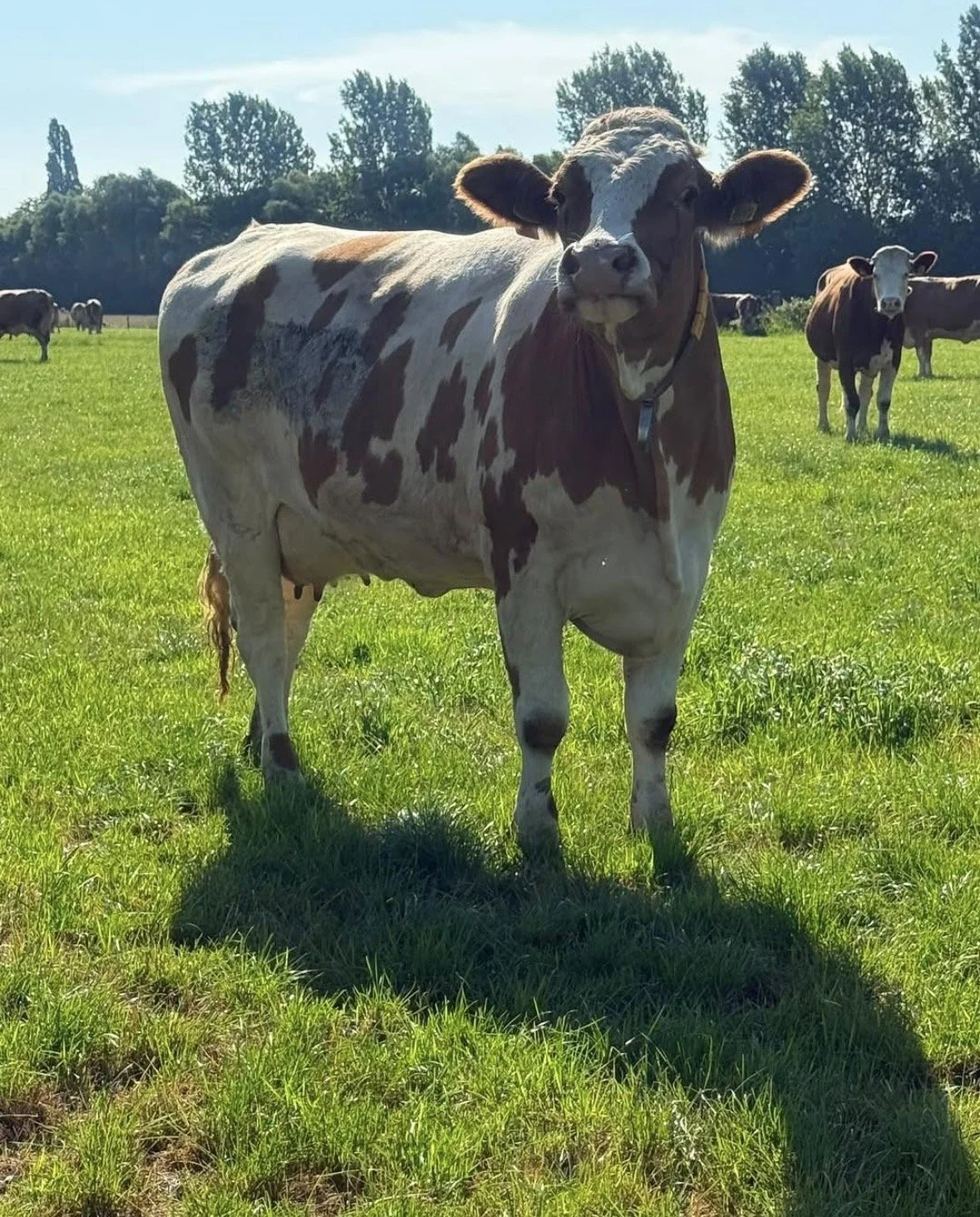
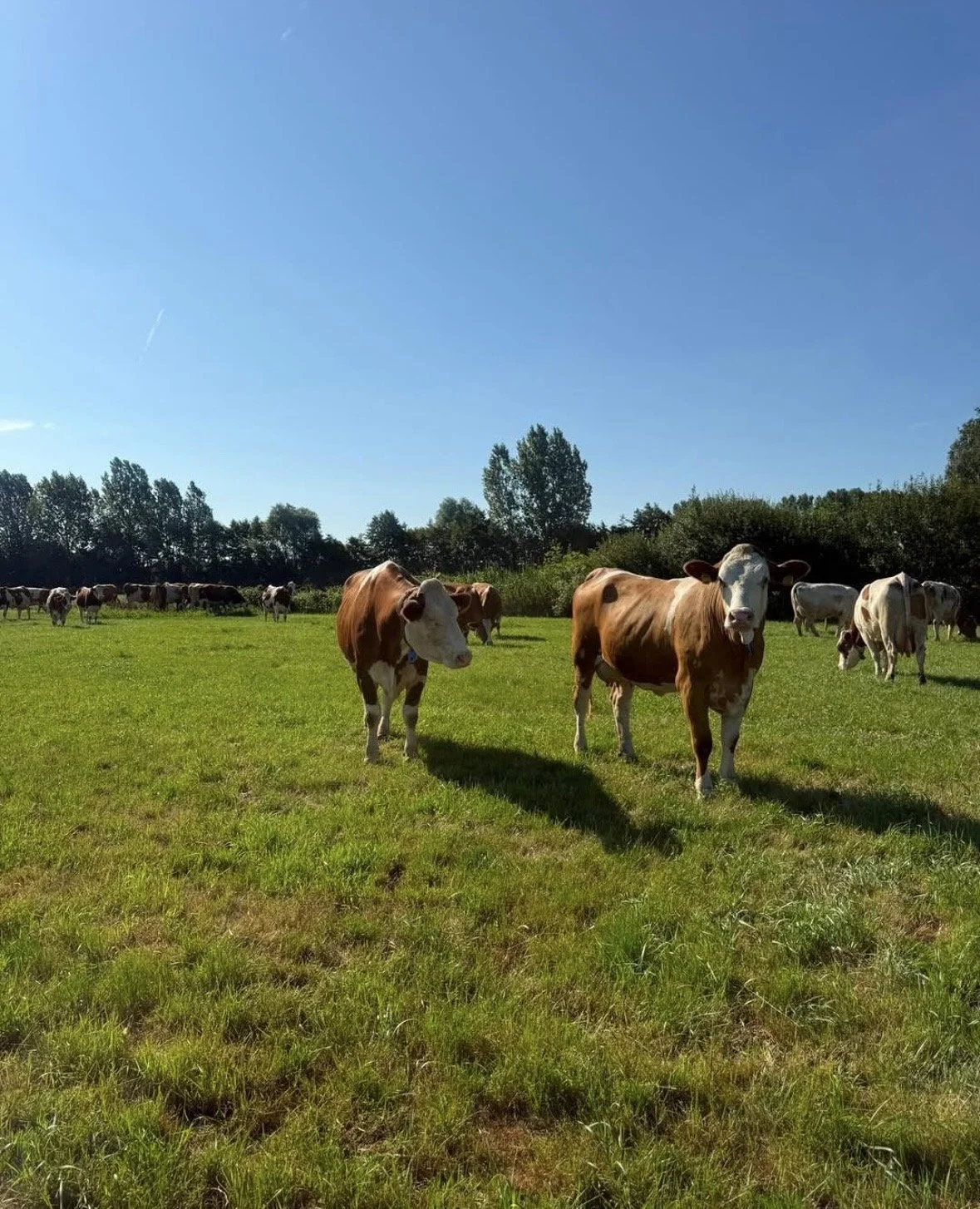
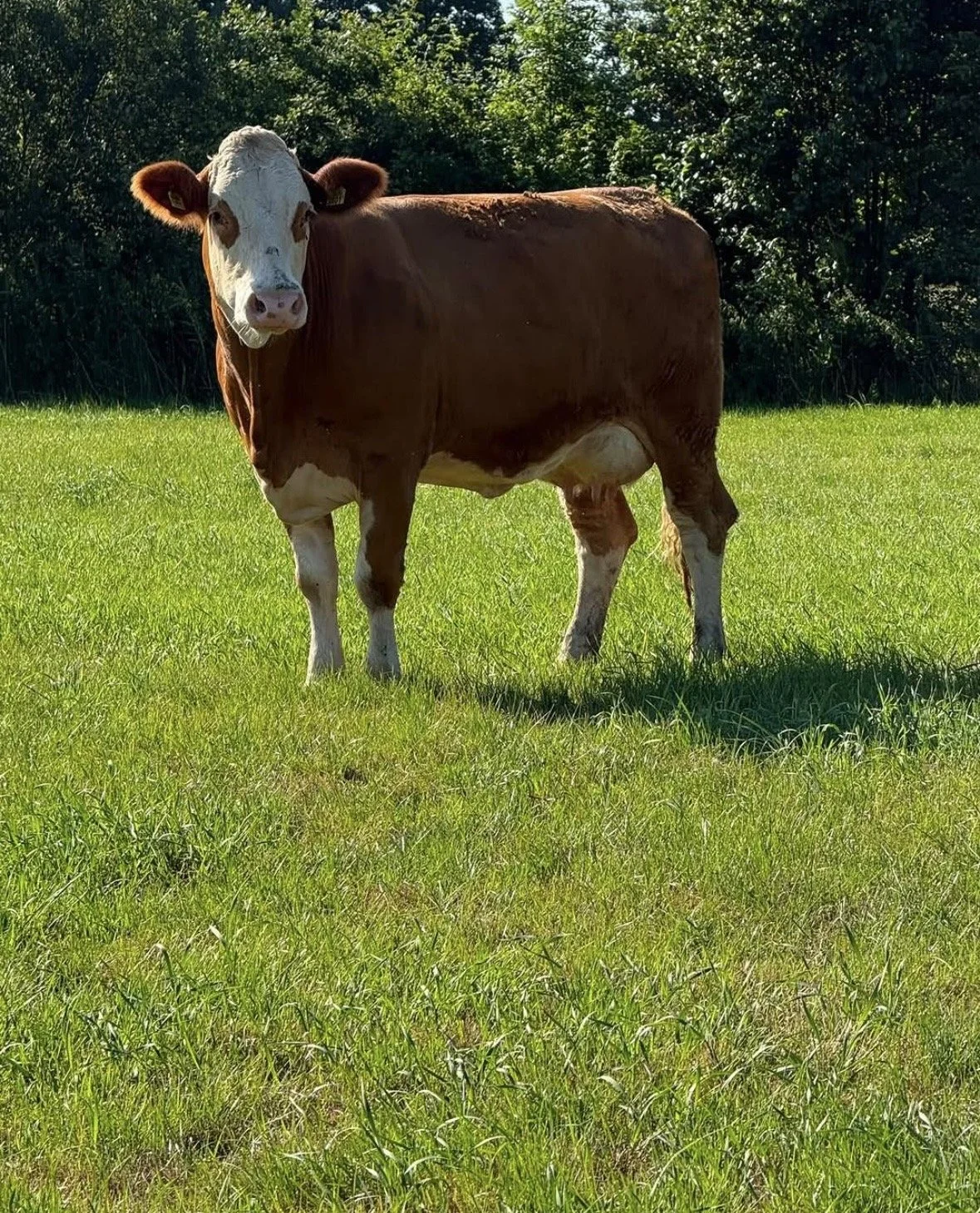
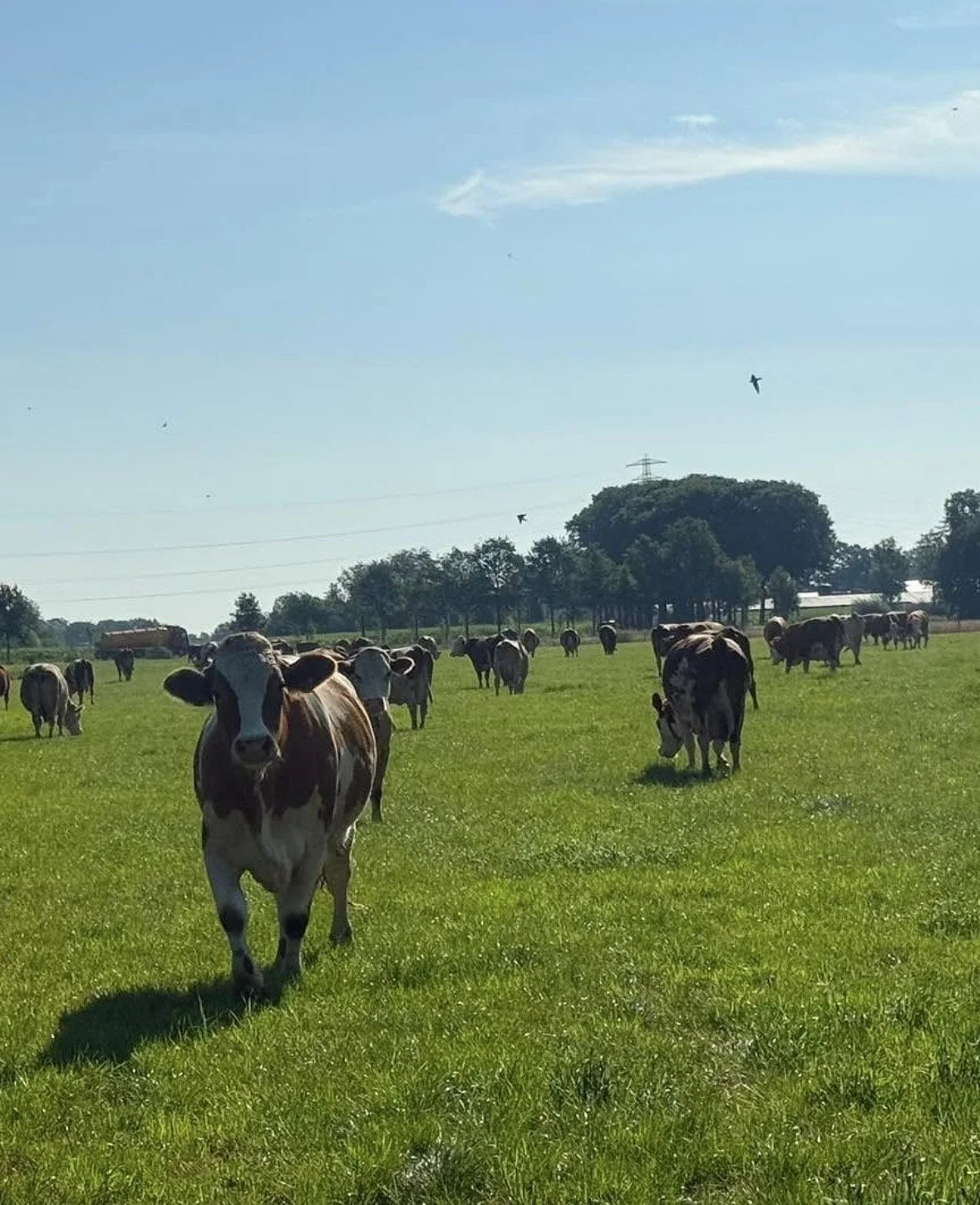
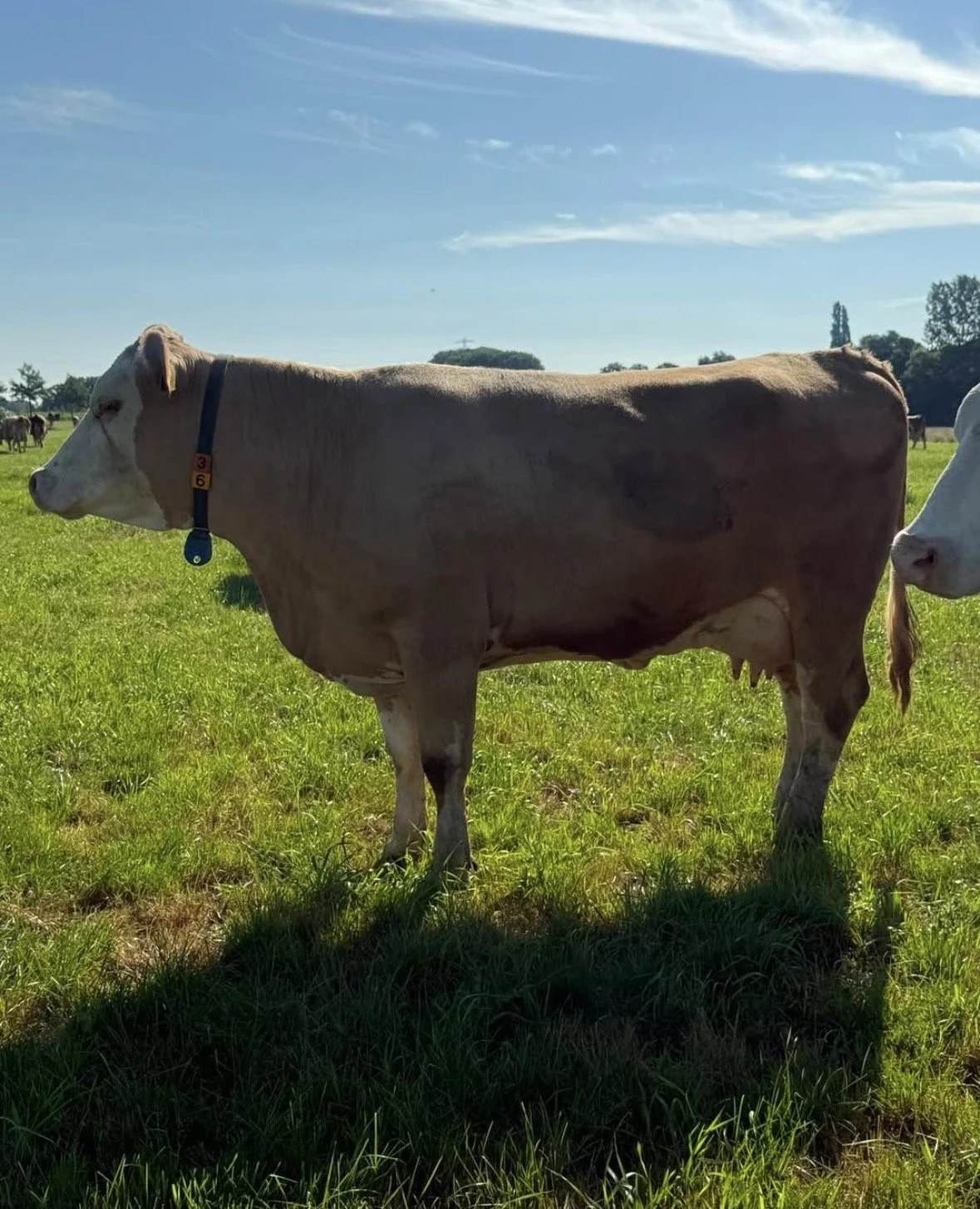
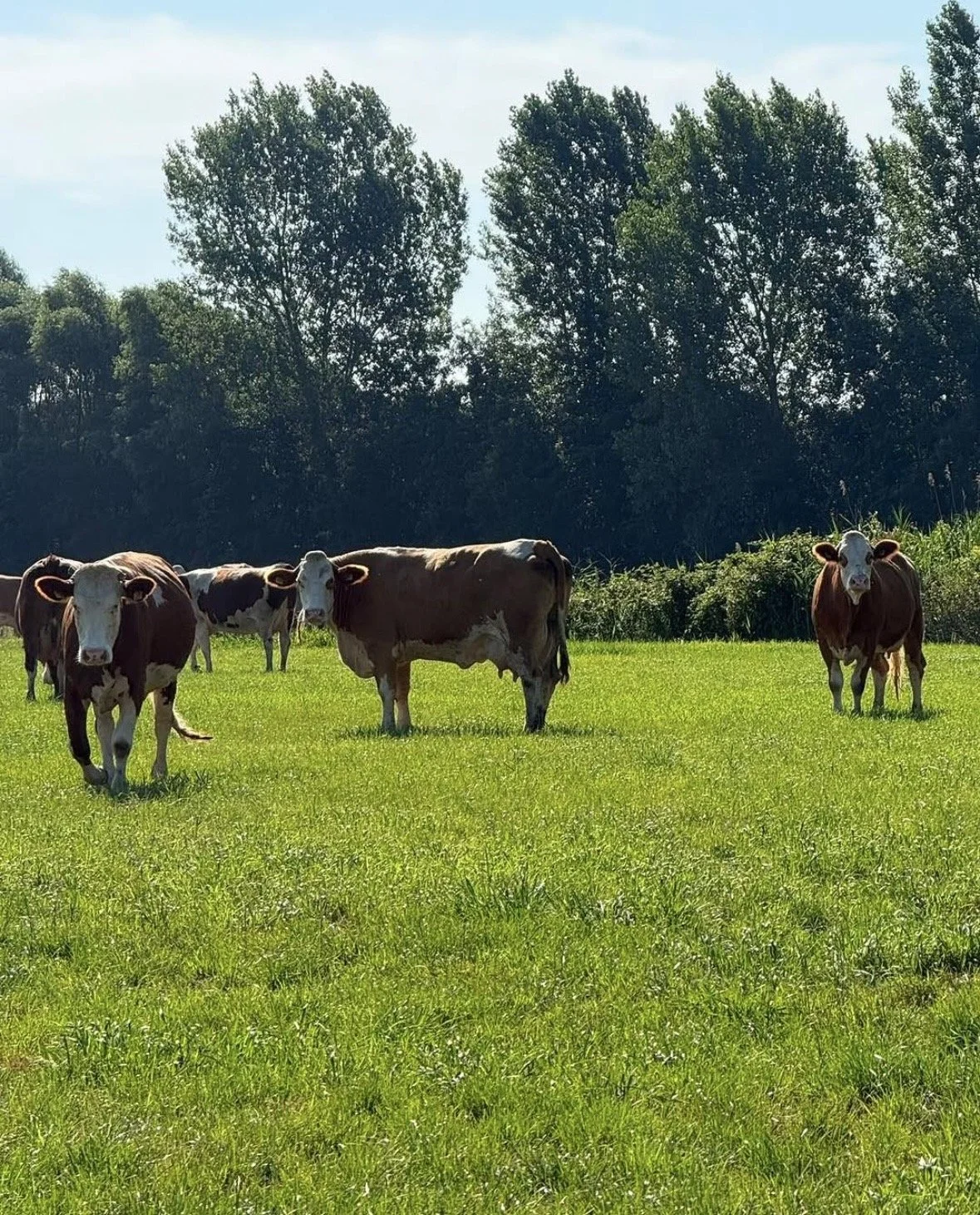
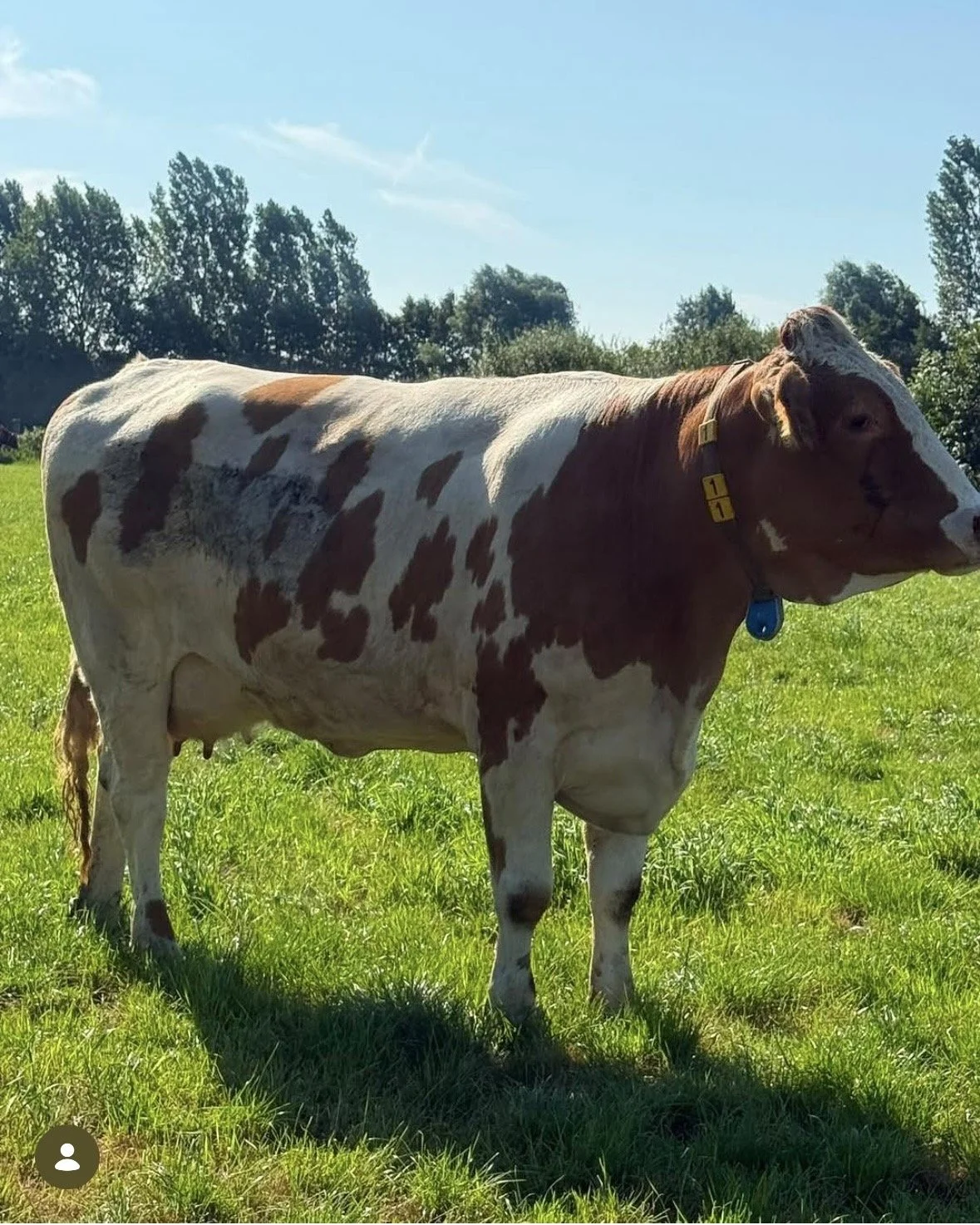
A progressive German dairy farm is using GGIspermex Fleckvieh genetics to develop a productive, functional and adaptable herd, balancing milk production with fertility, longevity and the added value of beef.
For this dairy farm in Germany, successful breeding is about more than milk yield alone. The aim is to breed a cow that works for the whole system - one that produces milk efficiently, remains fertile and functional, and delivers value throughout her productive life.
The herd began in 2004 as a Brown Swiss cross, with a clear objective: to develop a cow that could produce milk while also offering value for beef. Today, approximately 95% of the herd is Fleckvieh, reflecting a long-term commitment to balanced, dual-purpose dairy genetics.
The farm provides a strong example of how breeding decisions can be shaped around the wider needs of a dairy business, rather than focusing on litres alone.
Breeding for fertility, functionality and longevity
A key feature of the farm’s breeding strategy is its emphasis on balanced genetics. Rather than selecting bulls solely to increase milk yield, the farmer is prioritising traits that contribute to a functional and productive herd.
Fertility is an important part of this approach, supported by a reported calving interval of 375 - 385 days and a voluntary waiting period of 60 - 80 days.
The farm is also breeding for strong feet and functional udders, recognising the importance of cow functionality alongside production. These characteristics form part of a wider aim to develop robust cows that can perform throughout their productive lives.
Milk composition is another priority, with breeding decisions focused on increasing butterfat and protein. This helps keep milk solids within the farm’s wider breeding objectives, alongside fertility, adaptability and the value of beef.
Fleckvieh genetics: balancing milk production and beef value
Fleckvieh cattle are a dual-purpose breed, making them relevant to producers looking to balance dairy performance with beef value. On this German farm, that whole-system approach has been central to the herd’s development.
The herd is achieving an average milk yield of approximately 8,800 litres, while the breeding strategy also places emphasis on fertility, adaptability, functional traits and the value of cows at the end of their productive lives.
The farm’s current performance and management figures include:
Milk production: approximately 8,800 litres.
Herd genetics: around 95% Fleckvieh.
Calving interval: approximately 375–385 days.
Voluntary waiting period: 60–80 days.
Diet: around 30–35% maize.
Concentrate use: approximately 1,500kg.
Milk composition: breeding focus on improving milk protein and butterfat.
Functional traits: emphasis on strong feet and functional udders.
Cow type: larger-framed cows with greater end-of-life value.
Together, these details demonstrate the farm’s focus on balancing production with the functional characteristics that matter to its overall system.
A whole-system approach to dairy cattle genetics
The farm’s feeding and management system also forms part of the wider picture. Maize makes up around 30–35% of the diet, with concentrate use reported at approximately 1,500kg.
These figures provide context for understanding the system in which the genetics are being used. Successful breeding decisions need to reflect the farm’s feeding strategy, management priorities and production goals, rather than treating genetic traits in isolation.
By focusing on a cow that can contribute through milk production, functional performance and beef value, the farm is taking a whole-system approach to dairy herd breeding.
The value of dual-purpose Fleckvieh cattle
The herd’s development from Brown Swiss crossbreeding in 2004 to approximately 95% Fleckvieh today reflects a clear and consistent breeding direction.
The emphasis on larger-framed cows, alongside milk production and functional traits, is linked to the farm’s objective of achieving greater end-of-life value. This is an important consideration for producers evaluating dual-purpose genetics and the role beef value can play in the overall dairy business.
Rather than chasing one performance measure, the farm is selecting genetics with a broader objective: to breed cows that work across the different demands of the system.
Sharing international insights with UK dairy farmers
During a recent visit to Germany, the JMC Genetics team had the opportunity to see how this progressive dairy farm is using GGI spermex Fleckvieh genetics to support its breeding goals.
Farm visits like these offer valuable insight into how dairy producers in different systems approach genetic selection, fertility, functionality and long-term profitability.
By seeing these approaches first-hand, JMC Genetics can bring practical perspectives back to UK farmers who are considering how breed choice and bull selection can support their own herd objectives.
This German dairy farm is a useful example of breeding with the whole system in mind - balancing milk production, fertility, functional traits and beef value to develop a herd designed for performance throughout its productive life.