
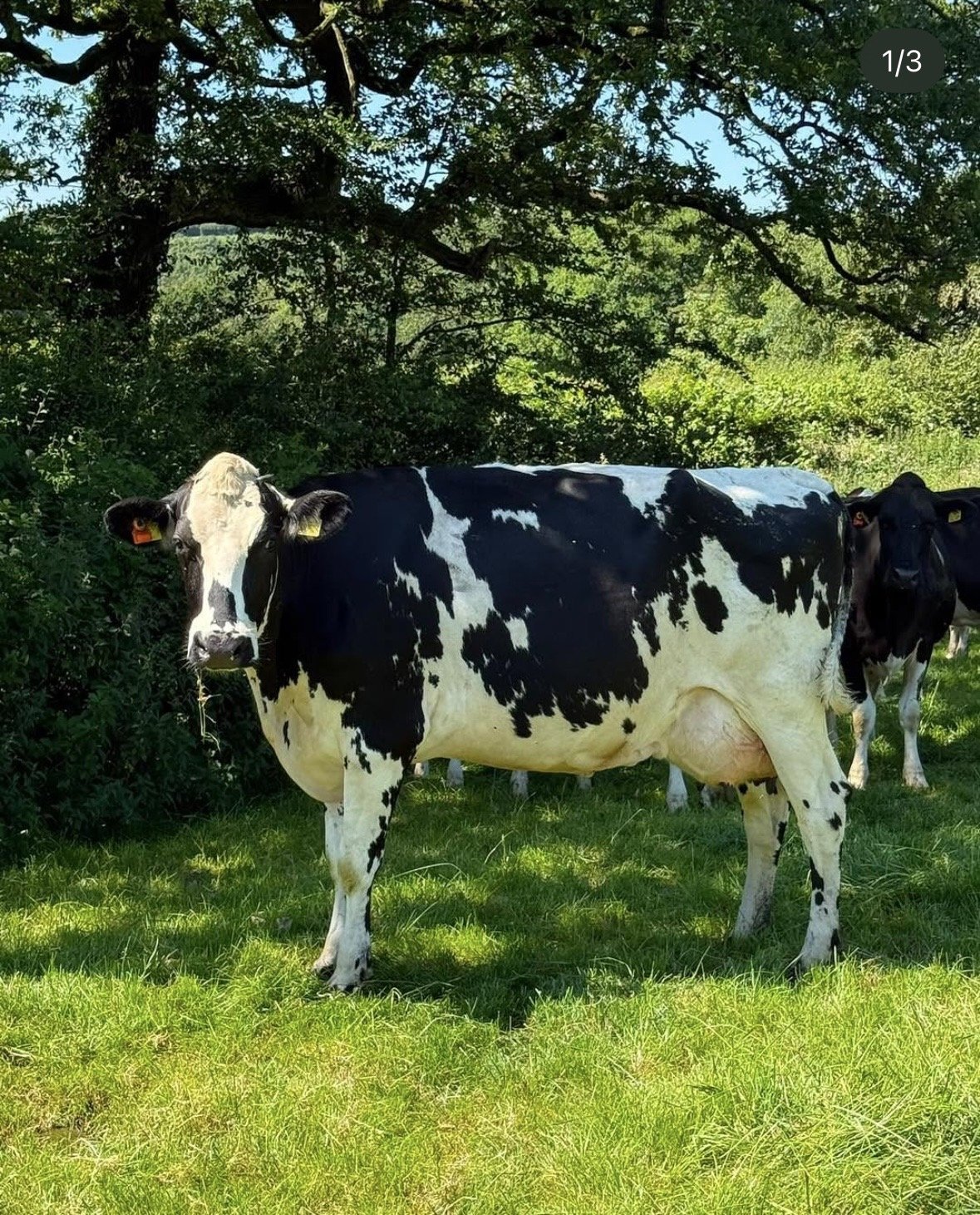
Devon Dairy Farm Builds a Balanced Herd Through Norwegian Red × Holstein Crossbreeding
A clear breeding strategy is helping a Devon dairy farm balance milk production, milk solids, fertility and cow size through more than 10 years of Norwegian Red × Holstein crossbreeding.
For this dairy farm in Devon, successful breeding is about more than chasing higher milk yields or larger cows. After more than a decade of Norwegian Red and Holstein crossbreeding, the herd has a clear direction: producing strong, medium-sized, fertile cows that deliver impressive milk solids and suit the farm’s autumn block-calving system.
With an average milk yield of approximately 9,000 litres, alongside 4.72% butterfat and 3.58% protein, the herd demonstrates the importance of breeding for a balanced combination of production, functionality and fertility.
Breeding dairy cows for milk solids, fertility and efficiency
The farm’s breeding strategy focuses on maintaining strong milk production while protecting the characteristics that matter most to the day-to-day running of the herd.
Rather than simply selecting for increased stature or litres, the aim is to breed cows that combine:
High milk solids: maintaining strong butterfat and protein percentages.
Good fertility: supporting the demands of an autumn block-calving system.
Medium stature: breeding cows of a manageable size.
Strength and functionality: developing robust cows suited to the farm’s system.
Good temperament: prioritising cows that are practical and easy to work with.
This balanced approach to dairy cow breeding reflects the farm’s long-term commitment to selecting genetics that work for its production system.
Selecting the right genetics for the next generation
During a visit to the farm, JMC Genetics worked with the farmer to select four bulls aligned with the herd’s breeding objectives.
The selected bulls were:
Sandbu P – Norwegian Red
Malmendal – Norwegian Red
Daktari PP – Red Holstein
Return – Holstein
Each bull offers a different genetic option within the farm’s wider breeding plan. Together, the selection reflects the farmer’s focus on maintaining milk solids while breeding for medium stature, good temperament and functional, fertile cows.
Choosing bulls against clearly defined breeding goals is an important part of a successful crossbreeding programme. By starting with the type of cow the farm wants to produce, sire selection can be directed towards the traits that matter most to the herd’s long-term future.
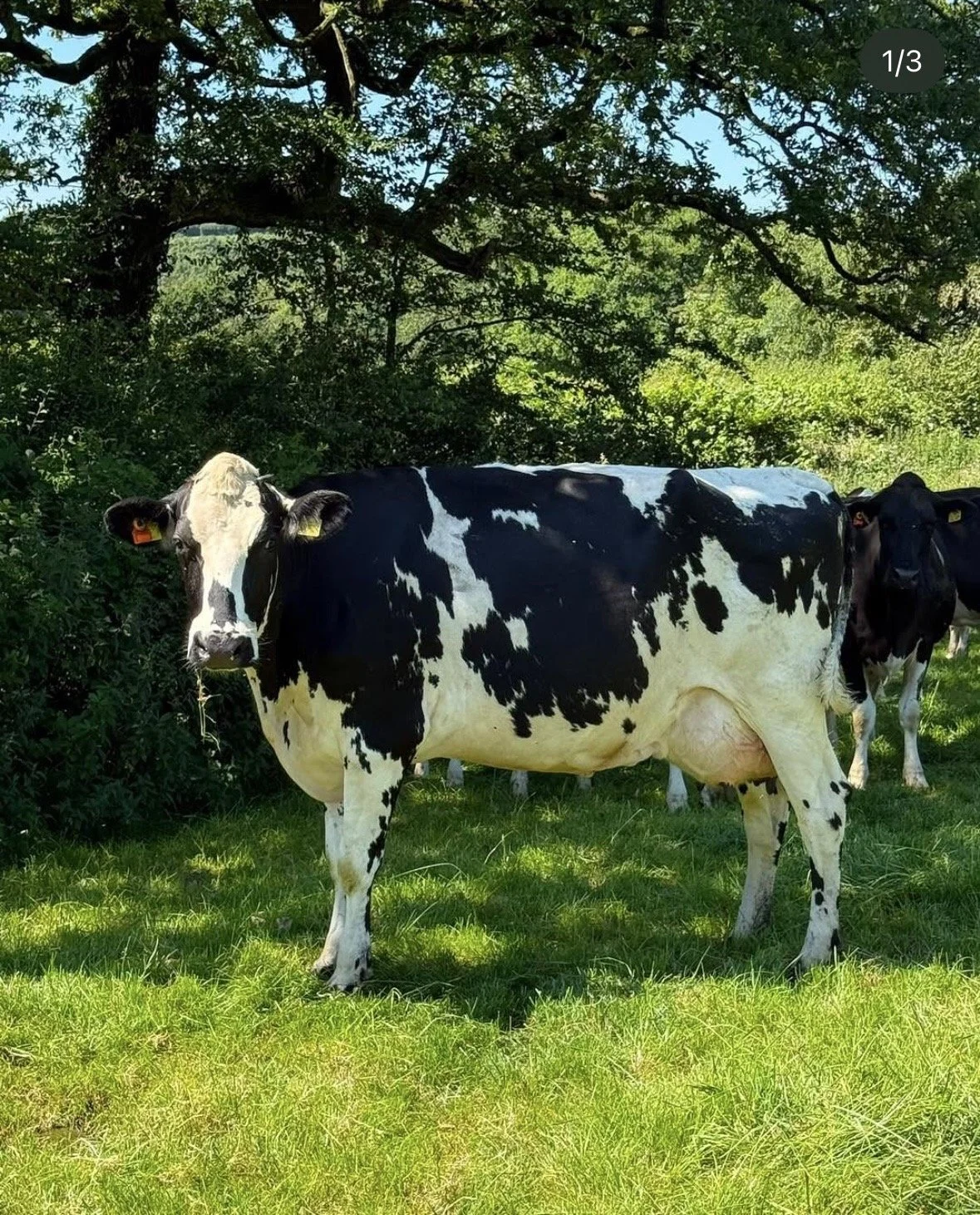
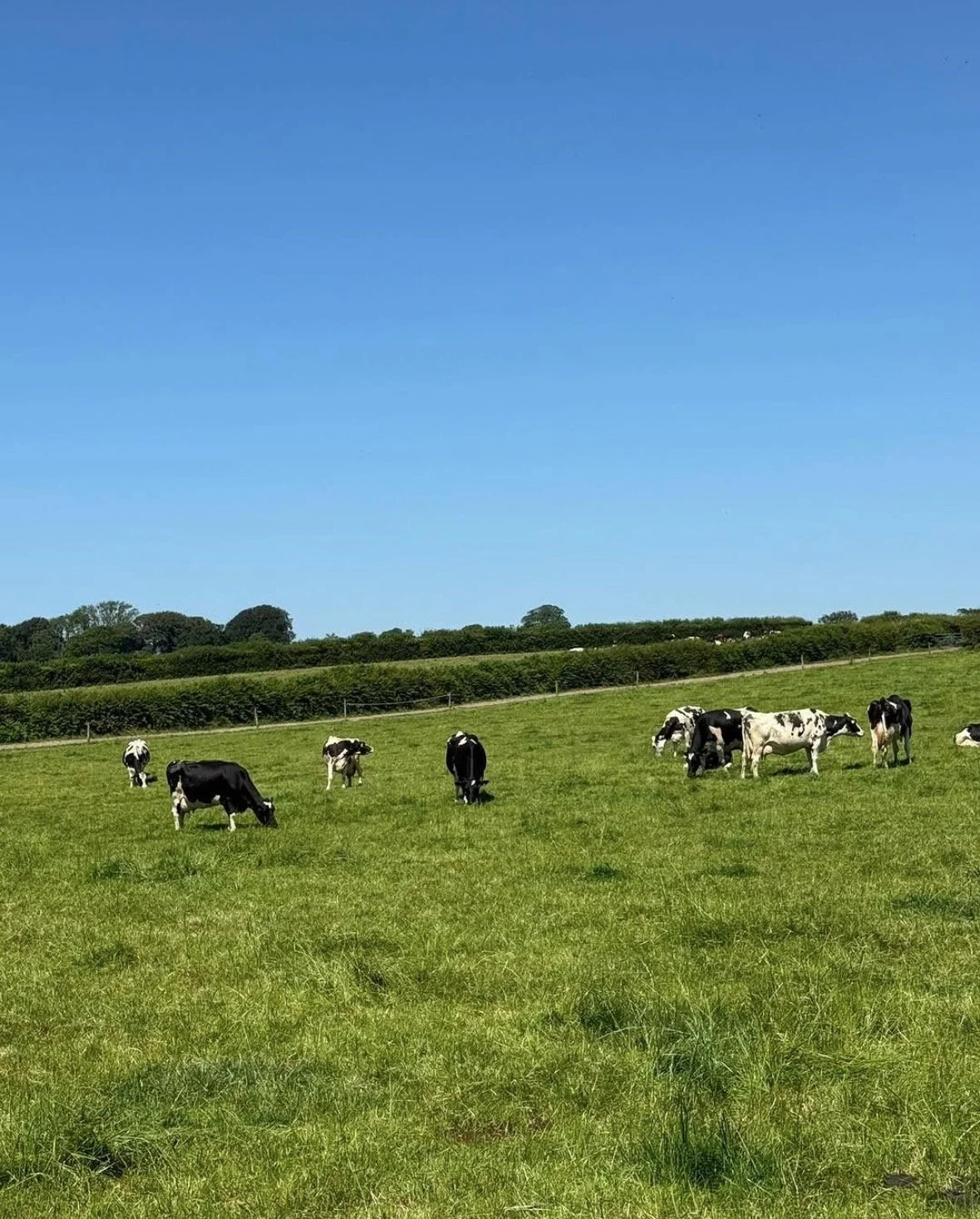
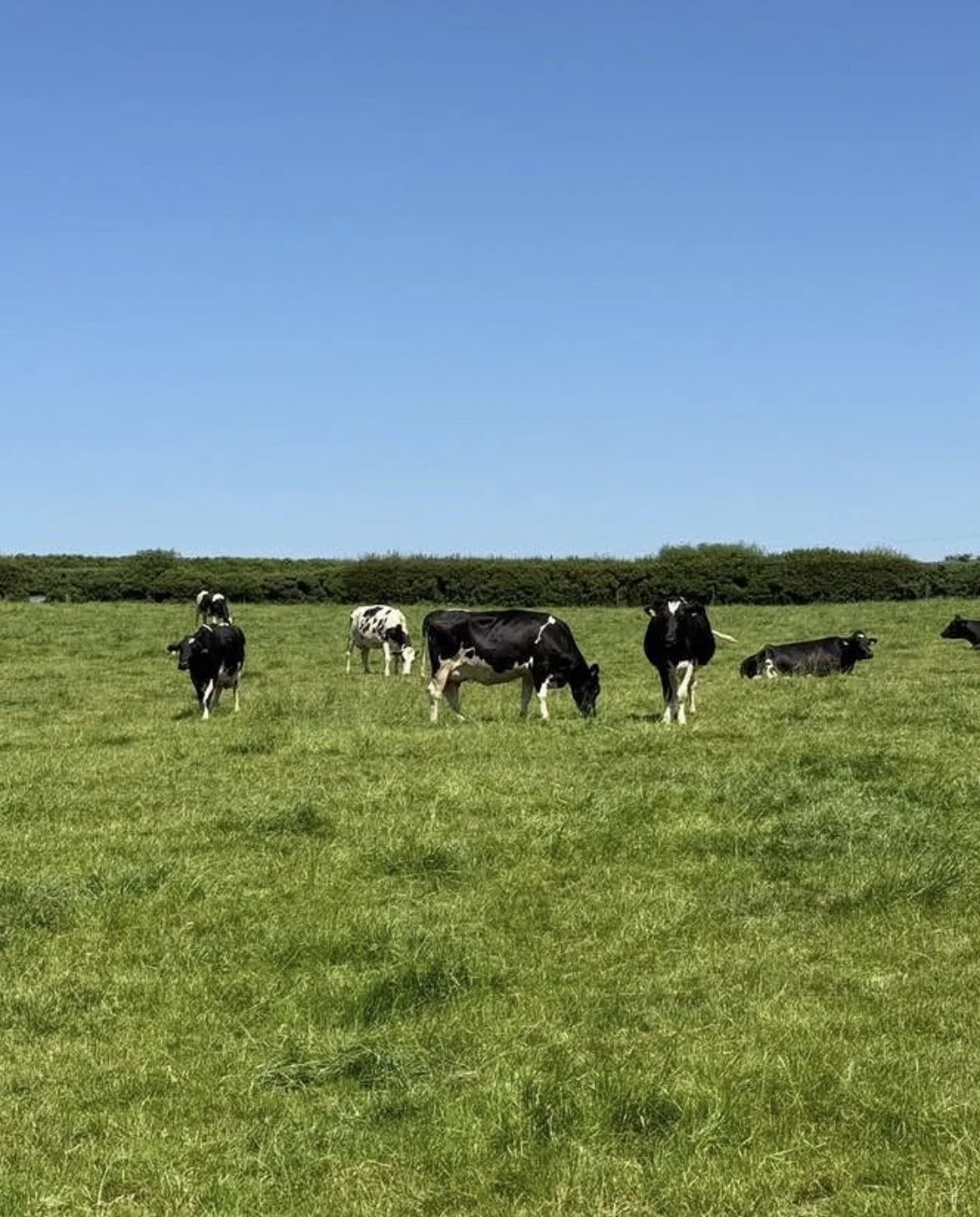
Norwegian Red and Holstein crossbreeding with a clear purpose
More than 10 years of Norwegian Red × Holstein crossbreeding have helped establish a clear breeding direction for this Devon dairy farm.
The focus is not on crossbreeding for its own sake. It is about using dairy cattle genetics strategically, with the aim of balancing production, milk quality, fertility and cow functionality.
For a farm operating an autumn block-calving system, breeding decisions need to support the overall system as well as individual cow performance. Selecting genetics that align with these priorities helps keep the breeding programme focused on the type of herd the farmer wants to develop.
Building a herd that works for the farm
This Devon farm is an example of how a long-term breeding strategy can provide direction for future sire selection.
By combining Norwegian Red, Red Holstein and Holstein genetics with clearly defined breeding objectives, the farmer is continuing to prioritise milk solids, fertility, manageable cow size and strong, easy-to-work-with cows.
At JMC Genetics, the aim is to help farmers identify genetics that fit their individual breeding goals and farming systems. Because successful breeding starts with understanding the cow you want to breed and choosing the right genetics to help move the herd in that direction.