
What Is Livestock Genetics & Why It Matters
What Is Livestock Genetics?
Livestock genetics is the study of how traits are passed from parent animals to their offspring. These traits can be visible, like coat colour or size, or hidden, like fertility, disease resistance, or growth potential. Every animal inherits a unique combination of genes, which determine its genetic potential. Understanding genetics allows farmers to make informed breeding choices that improve herd performance over time.
Key Genetics Terms Every Farmer Should Know
If you’re new to livestock genetics, here are some essential terms:
Heritability: Measures how much of a trait is passed on genetically. Traits like milk yield have high heritability, while others, like fertility, may be lower.
Estimated Breeding Values (EBVs): A numeric prediction of an animal’s ability to pass on specific traits.
Genomic Testing: DNA-based testing that improves the accuracy of breeding decisions.
Selective Breeding: Choosing which animals to mate based on desirable traits to improve your herd over generations.
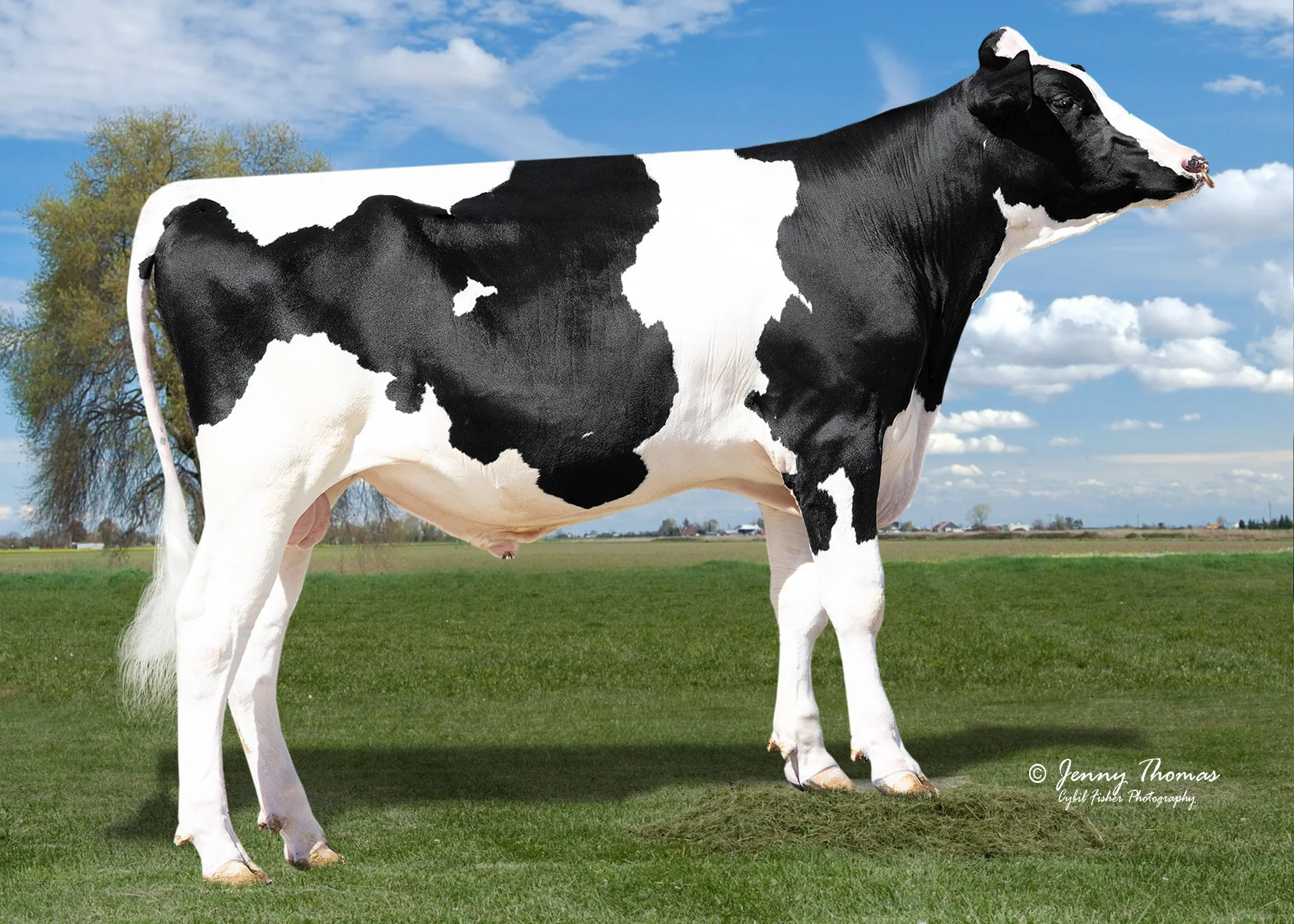
Why Livestock Genetics Matters on Your Farm
1. Boost Productivity
Better genetics can improve milk production, growth rates, and meat quality, giving you more output without extra inputs.
2. Improve Herd Health & Longevity
Selecting animals for robust genetics reduces disease risk and increases the lifespan of your herd.
3. Increase Efficiency & Sustainability
Efficient animals need less feed to produce more, saving costs and lowering environmental impact.
4. Make Breeding More Predictable
With EBVs and genomic tools, you can plan your herd with confidence, reducing uncertainty in breeding outcomes.
A Simple Example of Genetics in Action
Consider two bulls:
Bull A: Average milk-producing daughters
Bull B: High milk-producing daughters
Breeding with Bull B gradually increases the herd’s milk yield, improving farm profitability. This demonstrates the real-world impact of using genetics to guide breeding decisions.
How to Start Using Genetics on Your Farm
Set Clear Goals: Decide which traits you want to improve eg milk, meat, fertility, or health.
Use EBVs and Genomic Testing: Choose animals that carry the traits you want.
Plan Breeding Programs: Match bulls and cows for complementary traits.
Monitor Performance: Track results and adjust your breeding strategy over time.
Final Thoughts
Understanding livestock genetics doesn’t have to be complicated. Even basic knowledge can lead to healthier, more productive, and more profitable herds. By making informed breeding choices, you’re investing in your farm’s future.
If you want expert guidance and tailored genetic solutions for your herd, JMC Genetics can help with their full range of livestock services to improve performance, health, and efficiency on your farm.